From historical building to living cultural forum
At Reina Sofia, every corridor carries a dialogue between the past, the urgency of the twentieth century, and the questions of today.
Table of Contents
The building before the museum
Long before it became a reference point for modern and contemporary art, the complex that now houses Museo Reina Sofia had a different social function in Madrid. The eighteenth-century structure associated with architect Jose de Hermosilla and later developments became part of the city's healthcare and public-institution landscape, carrying traces of care, crisis, and civic responsibility. Walking through the museum today, you are not entering a neutral white box detached from history. You are stepping into a place that has witnessed changing ideas about public life for generations.
That layered foundation matters because Reina Sofia is not only about objects on walls. It is about how institutions evolve with society, how buildings are repurposed to answer new cultural needs, and how memory can be preserved without freezing a place in time. This transformation from historic infrastructure to major art museum gives the institution a unique emotional texture: even before you reach the first gallery, the architecture is already telling you that history is active, not distant.
Madrid's cultural reinvention
The late twentieth century marked a turning point for Madrid, as the city expanded its cultural identity after political transition and opened itself to broader international dialogue. In that context, Reina Sofia emerged not as a decorative addition, but as a necessary institution: a place to study modernity, confront difficult historical narratives, and present contemporary creation as part of democratic public life. The museum became a signal that Spain's recent artistic history deserved both critical attention and civic visibility.
What makes this shift particularly fascinating is that it was not only about prestige. It was about access. A national museum of modern and contemporary art in central Madrid invited residents, students, researchers, and travelers into the same conversation. That inclusive ambition still shapes the atmosphere today: in one gallery you may find art historians taking notes, in another families discussing a painting in everyday language, and in another visitors quietly absorbing work that feels unexpectedly personal.
Why Guernica changed everything
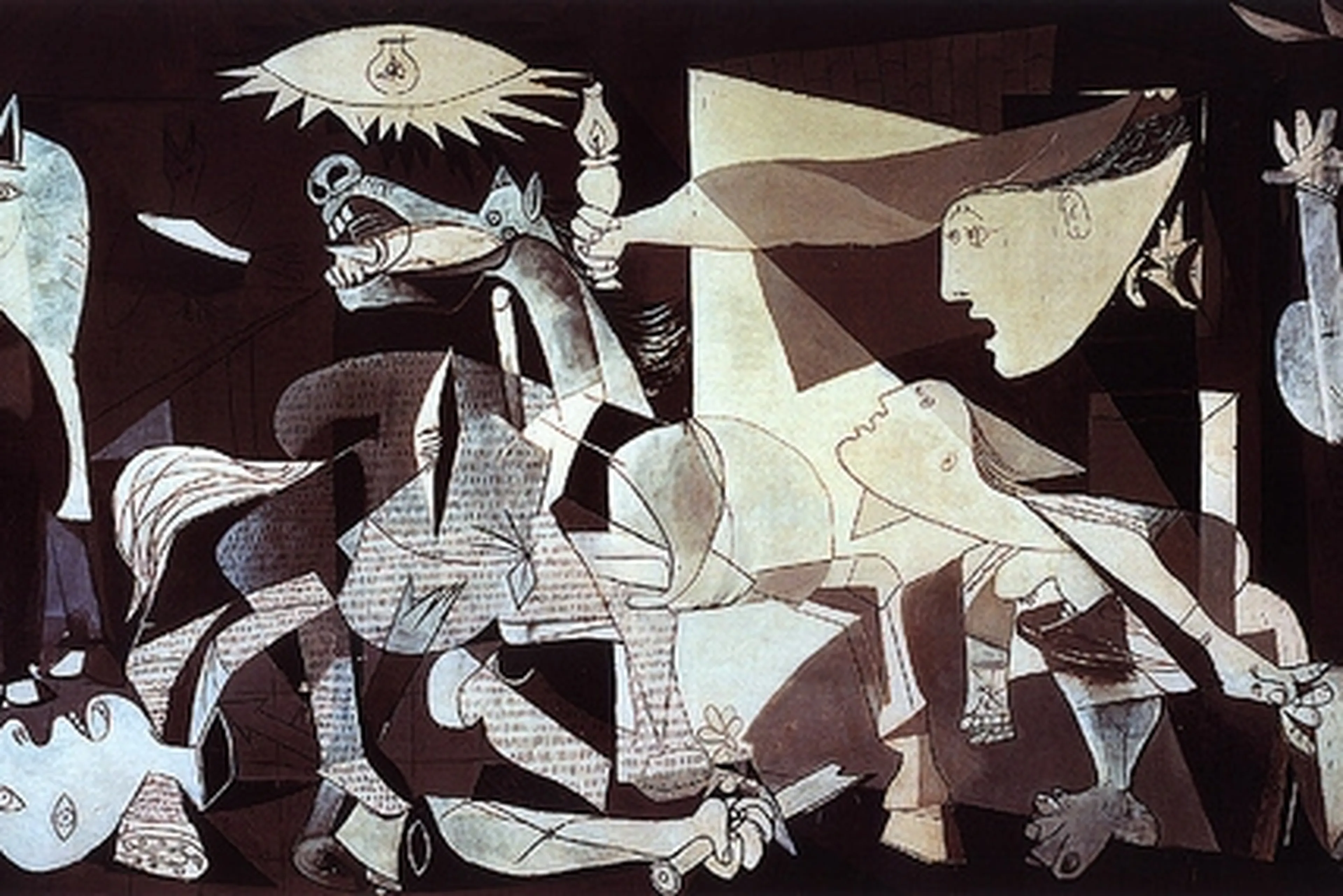
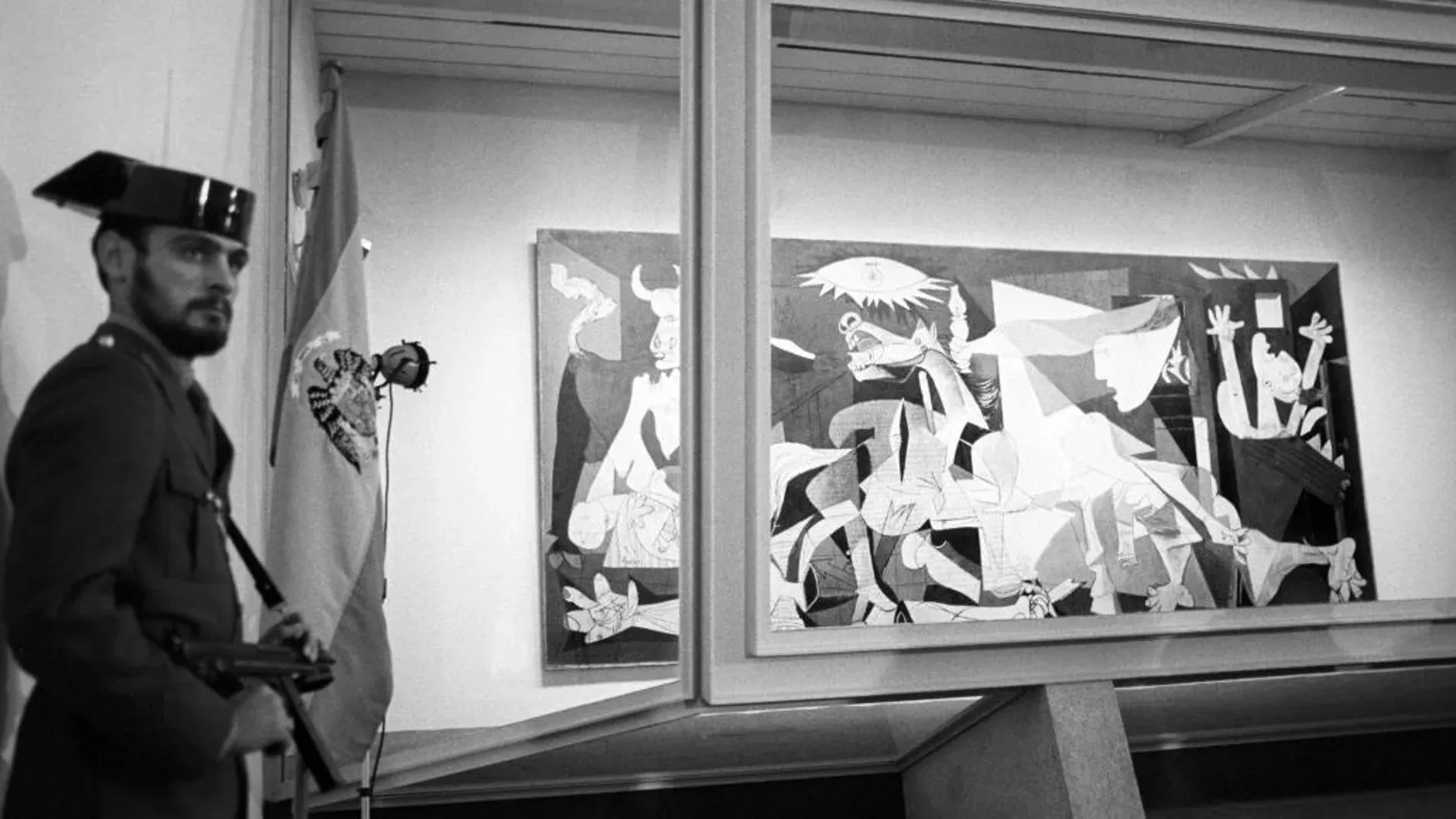
Any history of Reina Sofia eventually arrives at Guernica, but reducing the museum to a single masterpiece would miss the point. The presence of Picasso's mural transformed the institution's symbolic weight, yes, but it also forced a larger curatorial responsibility: to provide historical, political, and artistic context worthy of such a work. Guernica does not operate as isolated genius. It is a visual argument about violence against civilians, memory after catastrophe, and the ethical role of art in times of rupture.
The museum's handling of this context, including related documentation and surrounding works, is one reason many visitors describe the experience as unforgettable. People arrive expecting to see a famous painting and leave feeling they have entered a debate that is still unresolved. This is one of Reina Sofia's most important contributions: it treats viewers as thinking participants, not passive spectators, and asks them to connect historical trauma to present-day responsibilities.
The rise of a national modern collection
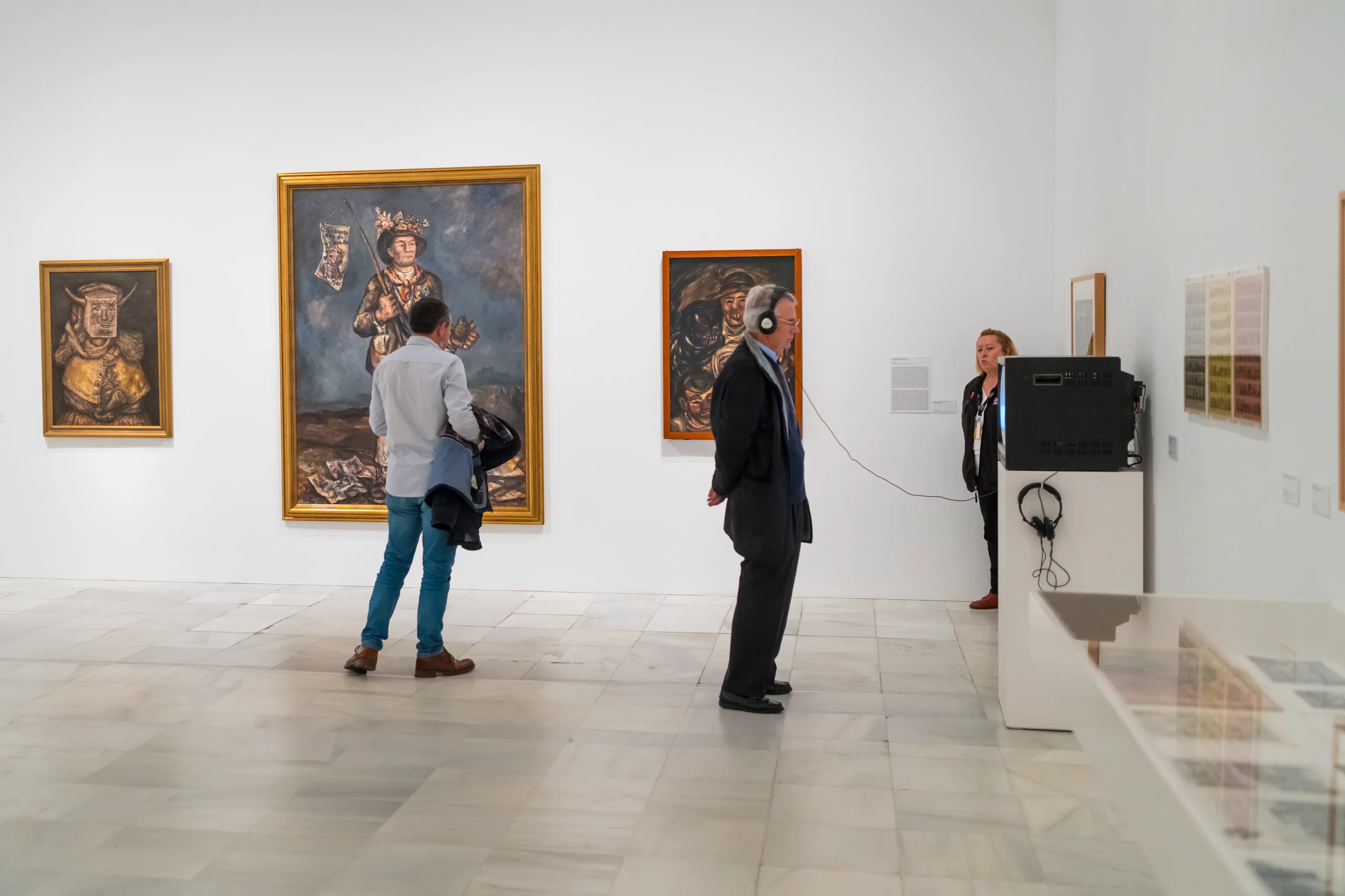
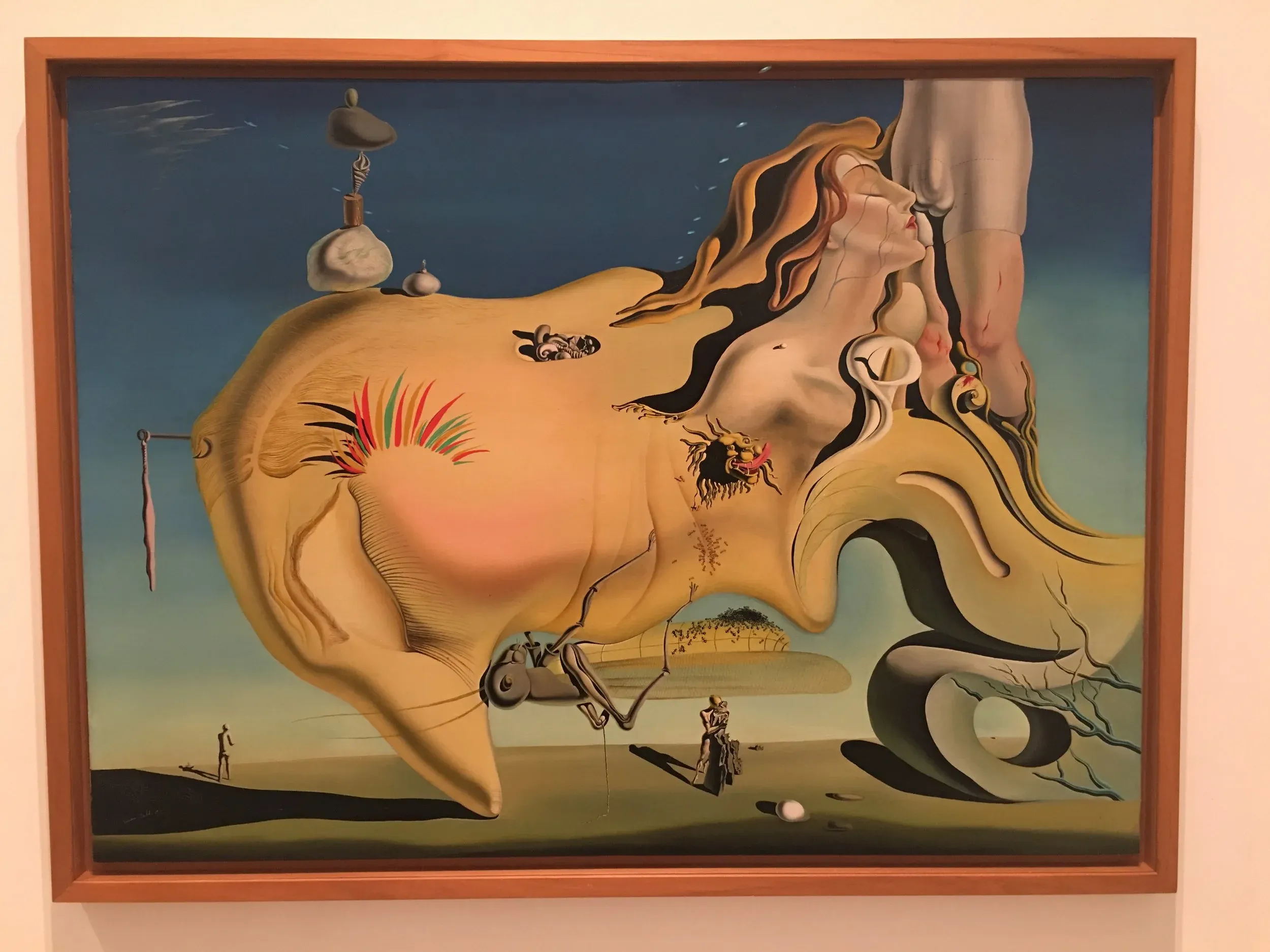
As the museum developed its permanent collection, it built a narrative that goes beyond canonical names and linear timelines. You can trace exchanges between Spain and wider European avant-gardes, but also see where local realities, exile, censorship, and social struggle produced distinct artistic responses. The collection reads almost like a map of tensions: tradition against rupture, experimentation against repression, private emotion against public crisis.
This layered approach makes the visit rewarding for both first-timers and specialists. If you are new, the museum offers clear pathways through major movements. If you know the field, you can focus on curatorial decisions, juxtapositions, and historiographic debates. In either case, Reina Sofia refuses simplistic storytelling. It presents modern art as a field of conflicts and possibilities, where meaning is continuously negotiated.
Spanish avant-garde in context
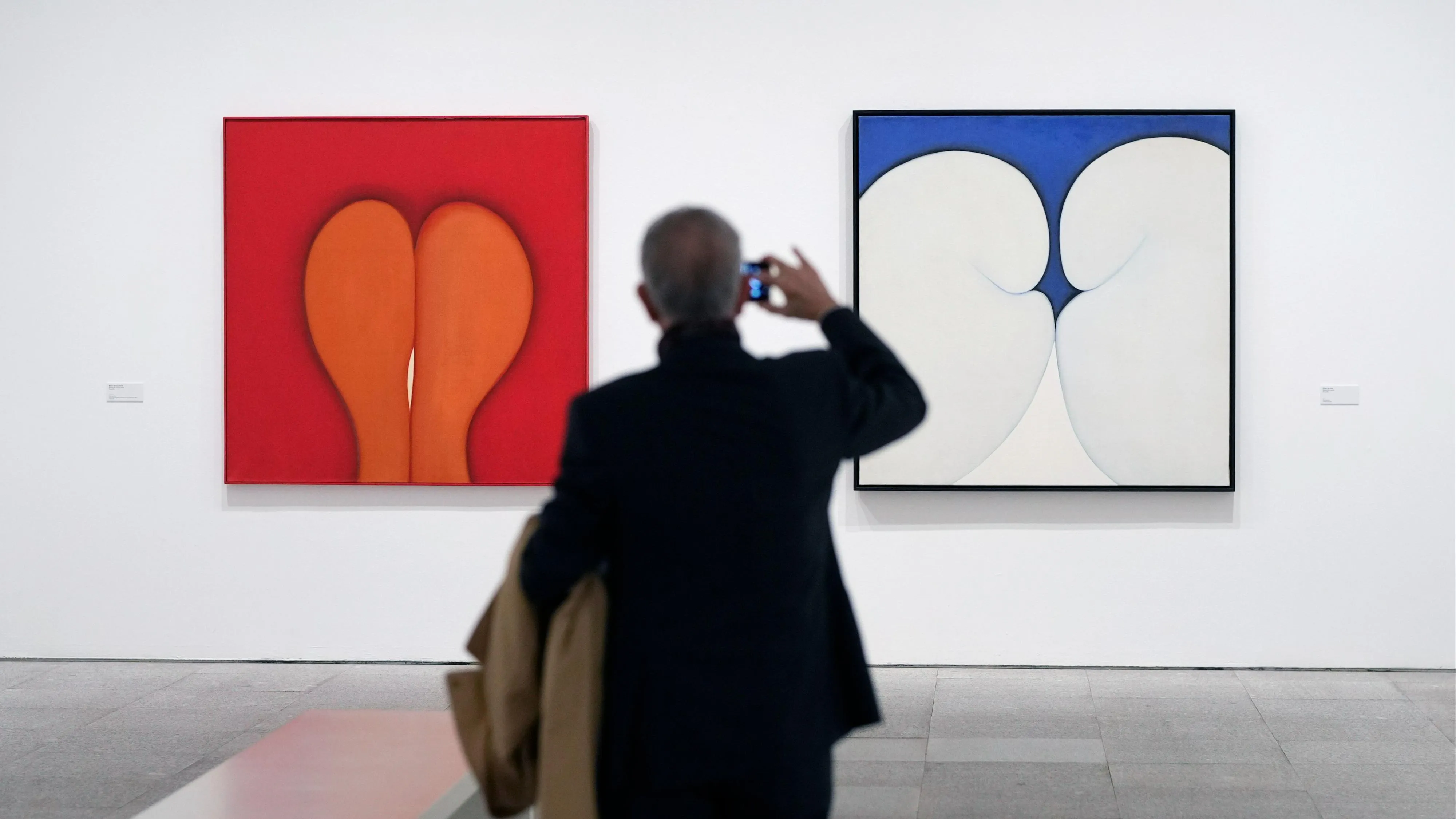
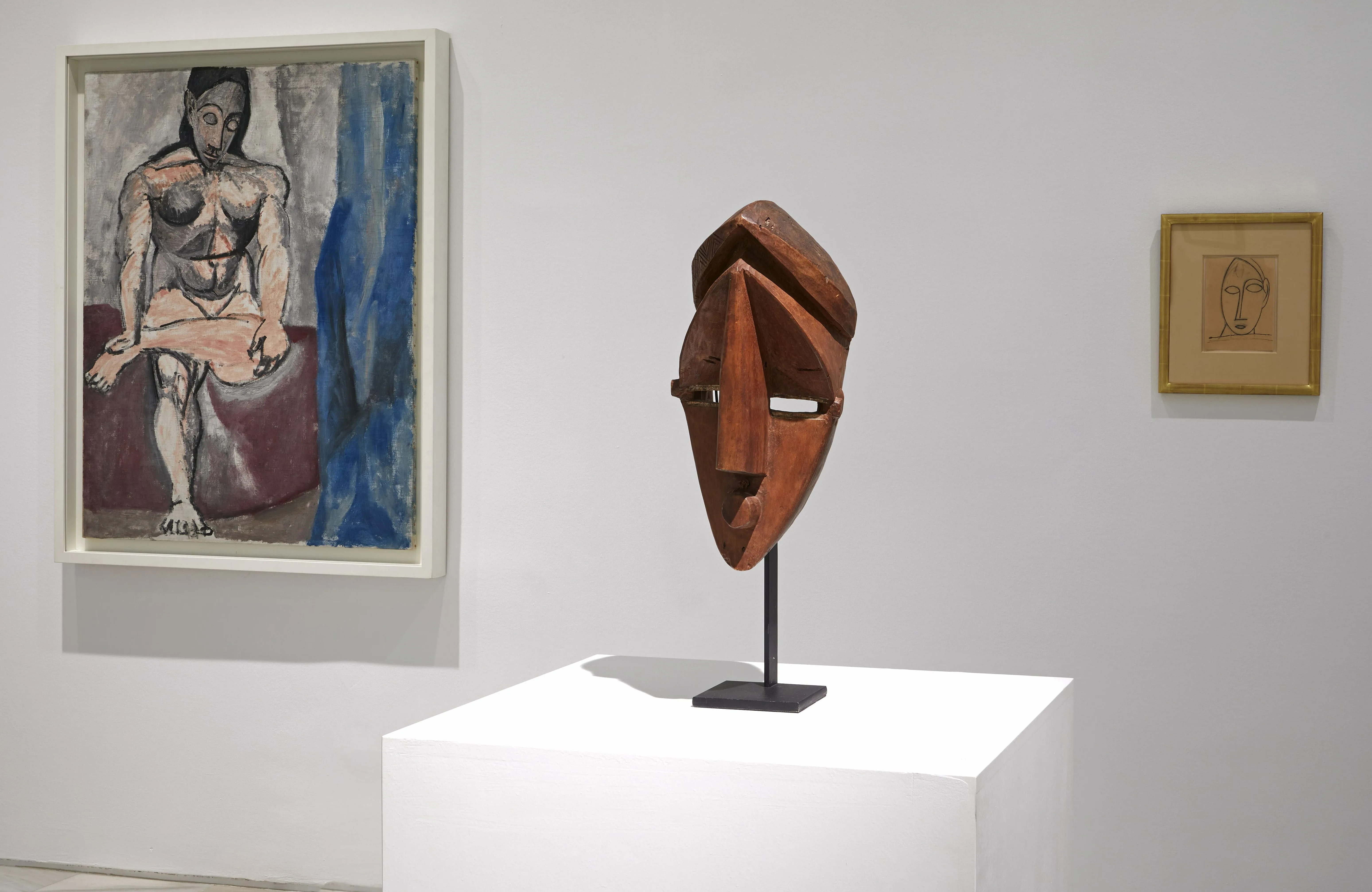
One of the richest aspects of Reina Sofia is the way it situates Spanish avant-garde practice within international currents without dissolving its specificity. You see echoes of surrealism, constructivism, conceptualism, and postwar abstraction, but also distinctly Iberian experiences marked by civil conflict, dictatorship, migration, and rapid social modernization. The result is not an imported version of modernity, but a complex local articulation of it.
Interesting fact: many visitors come primarily for Picasso, then find themselves unexpectedly drawn to lesser-known works whose formal risk and emotional directness feel just as urgent. This is where the museum's narrative strength appears most clearly. It gives space to celebrated figures while still allowing quieter pieces to speak, and those quieter moments often become the most memorable part of a personal visit.
From modern to contemporary practice
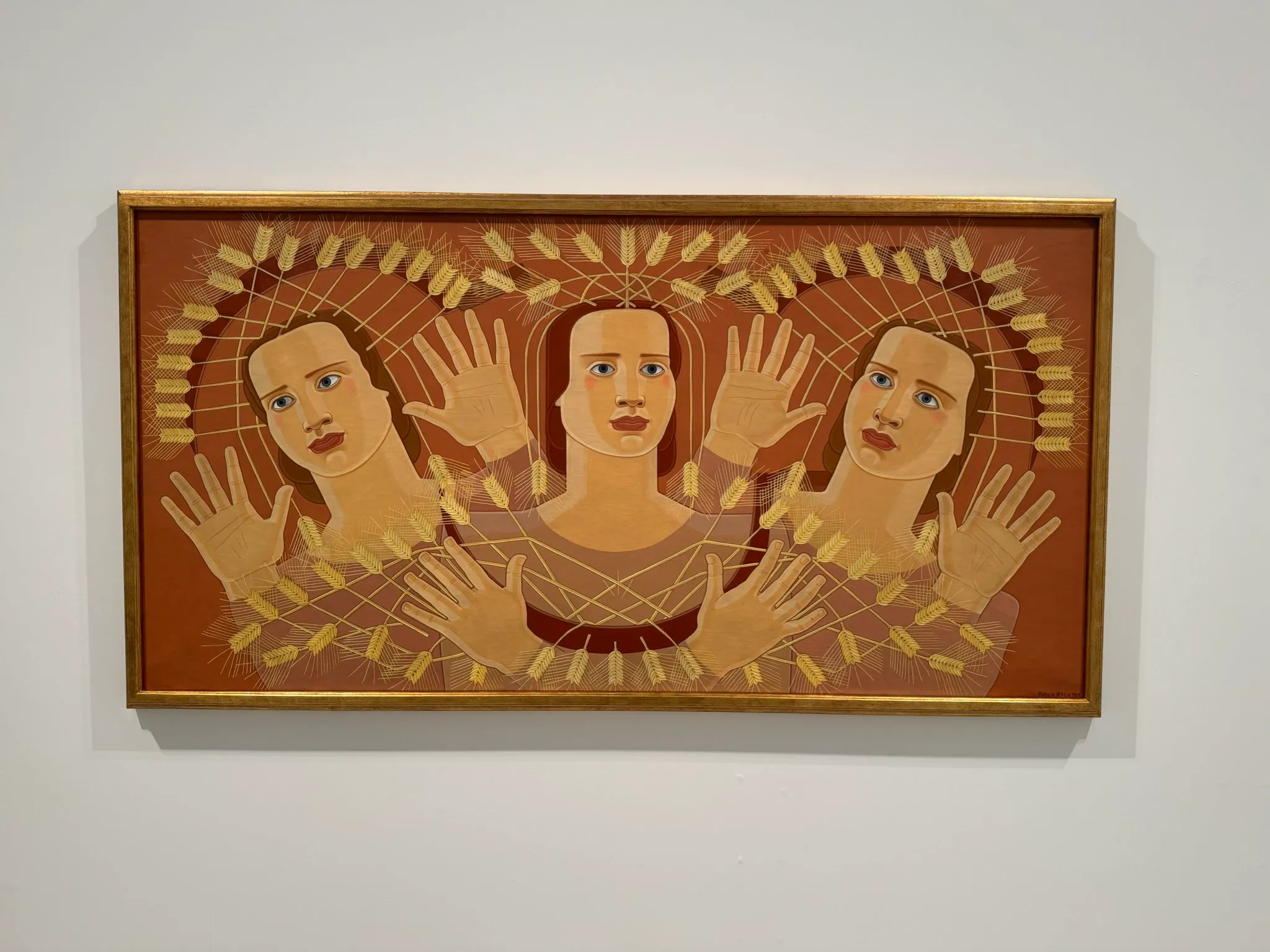
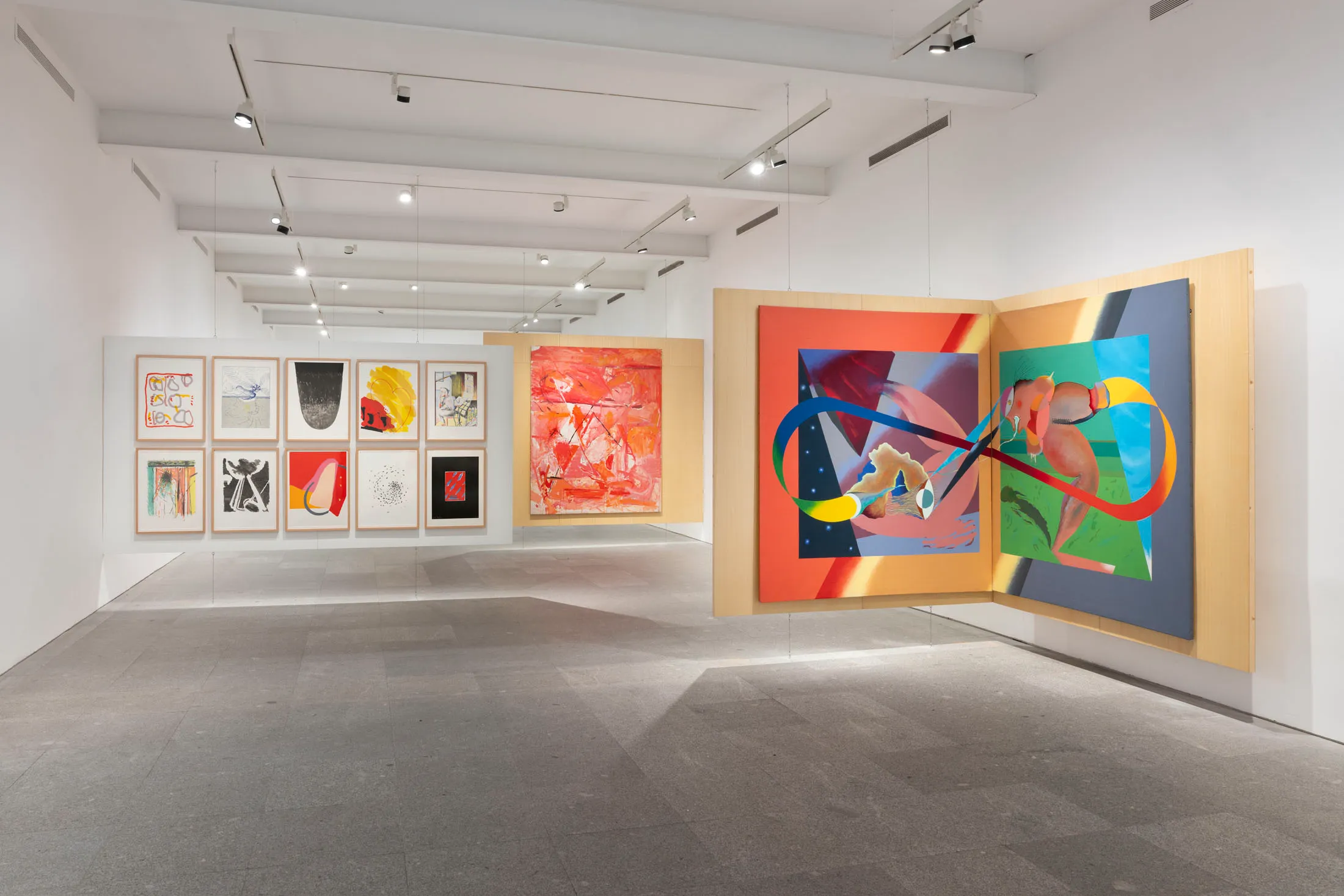
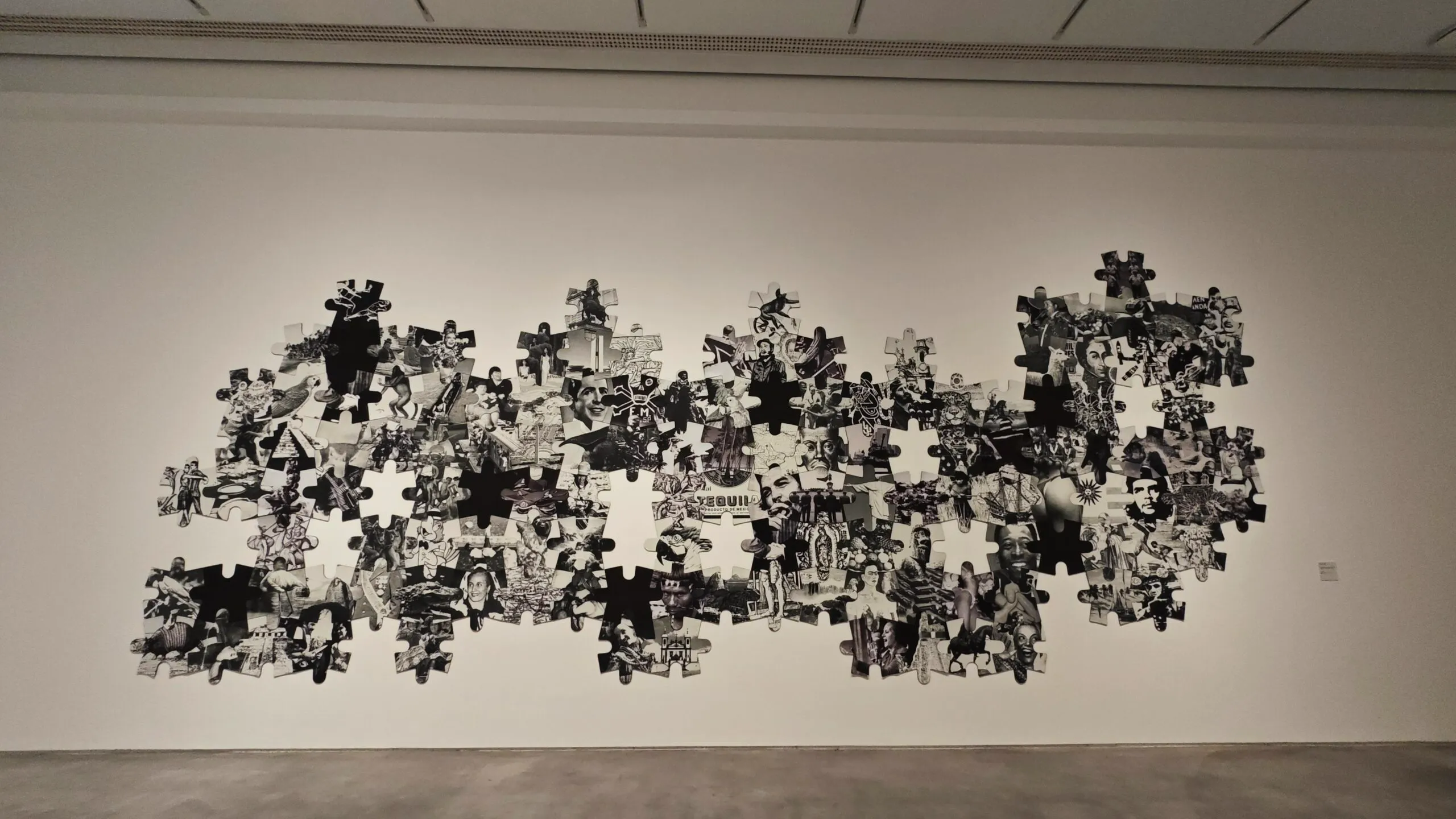
Reina Sofia does not stop at twentieth-century milestones. It extends into contemporary practice with installations, moving image, performance documentation, and interdisciplinary work that reflects today's fragmented media landscape. This expansion matters because it shows continuity: the questions raised by historical avant-gardes did not disappear, they changed form and moved into new materials, new publics, and new forms of participation.
For visitors, this transition from painting-centered rooms to multimedia environments can be energizing. It interrupts passive viewing and invites different kinds of attention, sometimes contemplative, sometimes critical, sometimes playful. In practical terms, it means your visit should include pauses, not just checkpoints. Contemporary works often reward time, and the museum's best surprises usually appear when you allow yourself to slow down and stay present.
Architecture, expansion, and circulation
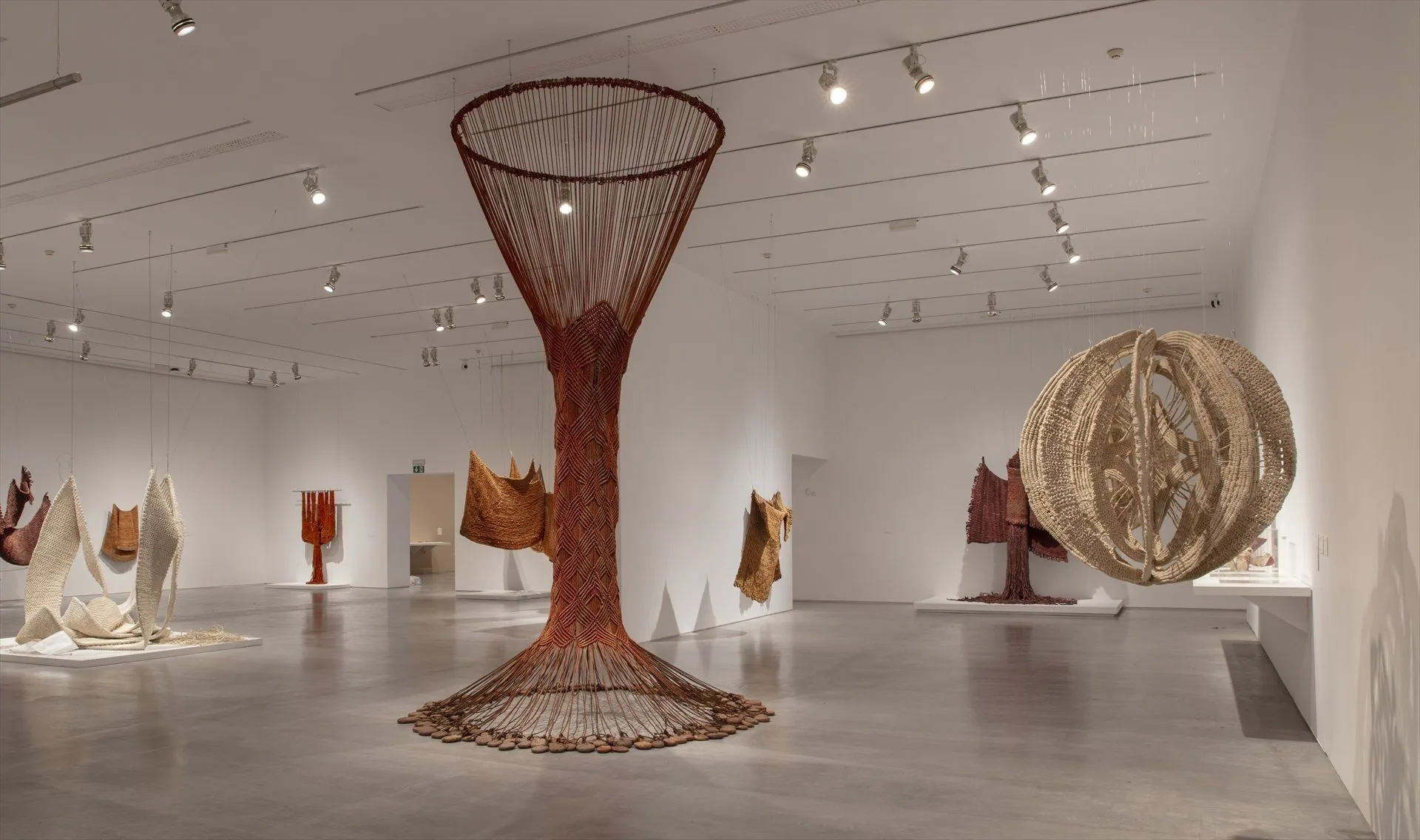
The institution's architectural evolution reflects its intellectual mission. Historical structures coexist with later interventions, creating circulation patterns that encourage movement between eras and curatorial narratives. You are constantly aware of transitions, from older corridors to newer spaces, from intimate rooms to larger open galleries. That physical rhythm supports the conceptual rhythm of the collection itself.
An interesting detail often noted by repeat visitors is how the building changes your perception of scale and pace. Some zones feel almost monastic, asking for concentration. Others open outward and feel social, even conversational. This spatial variation prevents museum fatigue and helps different types of art find the right environment. In other words, architecture here is not background. It is part of the interpretation.
Public access and inclusive design
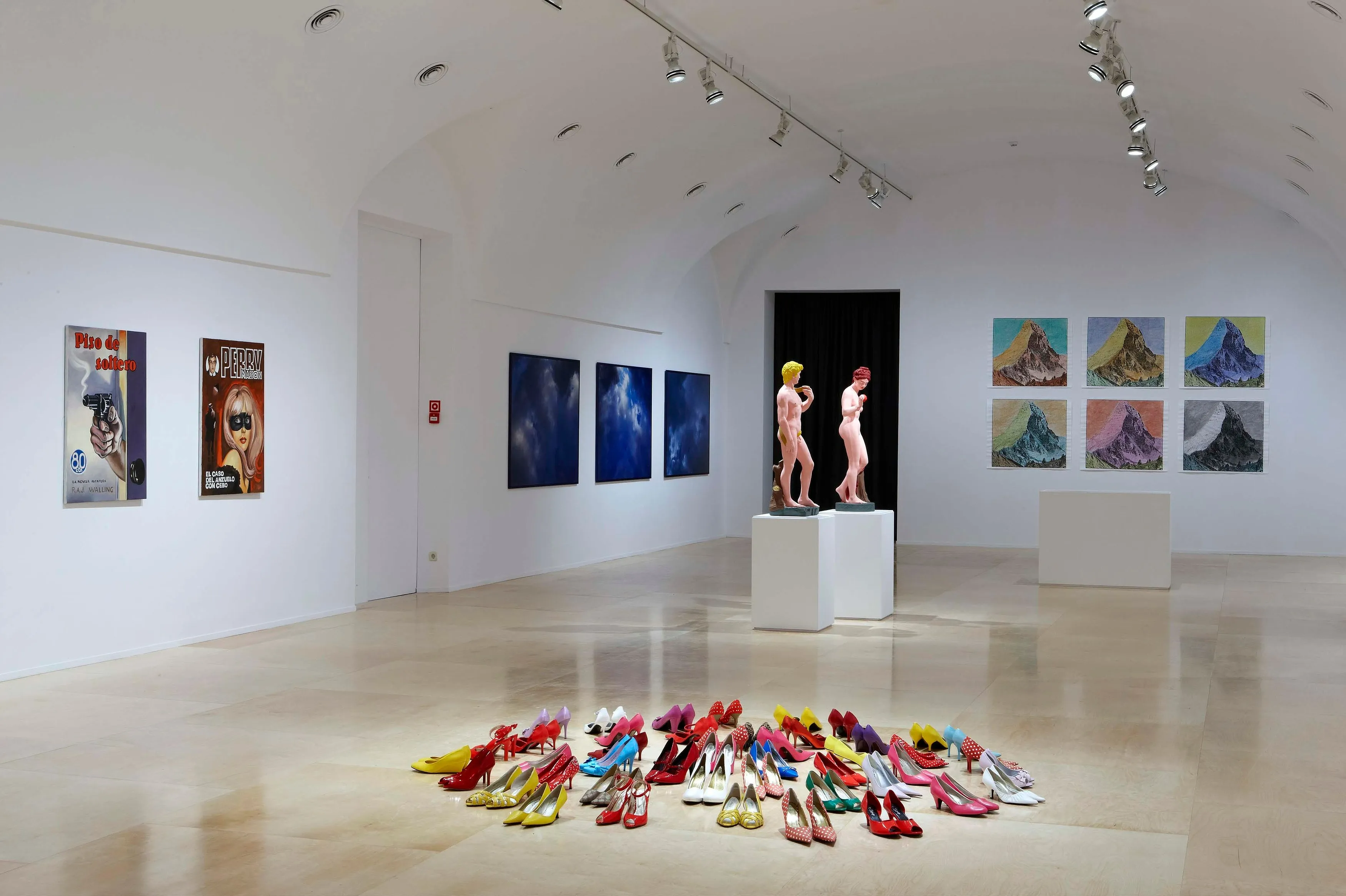
As a major public institution, Reina Sofia has progressively emphasized access, education, and inclusion. Accessibility measures, interpretive tools, and program diversity are not peripheral services but central commitments tied to the museum's civic role. The aim is to make challenging art available without flattening complexity, so visitors with different backgrounds can engage meaningfully at their own level.
This is especially important in a museum where many artworks address conflict, inequality, and collective memory. Inclusive design in this context is not only logistical. It is ethical. It recognizes that cultural heritage belongs to a wide public and that interpretation should open doors rather than create unnecessary barriers.
Programs, debate, and civic culture
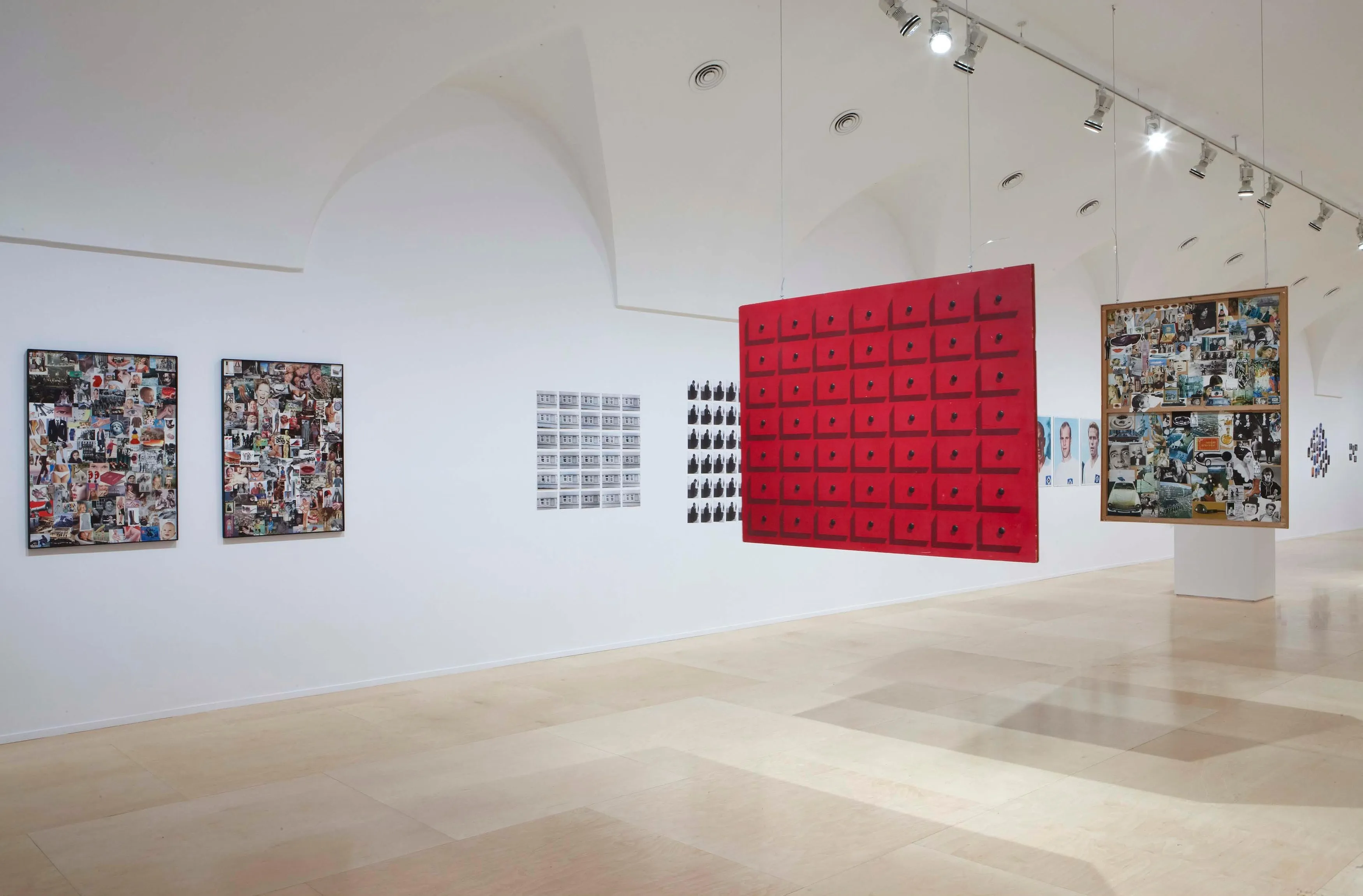
Reina Sofia's identity is strengthened by lectures, screenings, educational programs, and interdisciplinary events that treat the museum as a civic forum rather than a static archive. These activities connect historical collections to present concerns, from media politics and migration to ecological anxiety and social memory. The museum becomes a place where art does not end at visual appreciation, but extends into public conversation.
For many locals, this is exactly why the institution matters. It supports a culture of discussion in which disagreement is productive and curiosity is welcomed. For travelers, attending even one public program can reveal a different Madrid: intellectually restless, culturally generous, and deeply engaged with the role of art in democratic life.
How to read the collections intelligently
A smart visit starts with an intentional route. Instead of trying to cover everything, choose one historical thread, one major room you will revisit, and one contemporary section outside your comfort zone. This approach creates depth and keeps energy high. Reina Sofia rewards focused curiosity far more than rushed completion.
Interesting fact: museum educators often note that visitors remember fewer works but richer stories when they spend time with labels, context rooms, and visual comparisons. That means planning is not about control. It is about giving yourself permission to look carefully. If a work unsettles you, stay with it. If one room feels dense, return later. The most valuable museum days are rarely linear.
Conservation and institutional responsibility
Behind every public gallery there is extensive conservation, research, and archival labor. Reina Sofia's role as a national institution includes preserving fragile materials, documenting provenance, and updating interpretive frameworks as scholarship evolves. This ongoing work is largely invisible to casual visitors, yet it is essential to keeping the collection trustworthy and accessible across generations.
Institutional responsibility also includes historical transparency and curatorial accountability. In a museum shaped by twentieth-century conflict and ideological fracture, interpretation is never neutral. By revisiting narratives, incorporating new research, and opening space for critical voices, Reina Sofia demonstrates that preserving heritage means preserving complexity, not just objects.
The museum in Madrid's Art Triangle
Reina Sofia forms part of Madrid's Art Triangle with the Prado and Thyssen-Bornemisza, and this geographic proximity creates a remarkable cultural itinerary. In one city corridor, you can move from classical painting to modern rupture to contemporary experimentation. Seen together, these institutions offer not three isolated collections, but a long conversation about representation, power, technique, and changing social values.
Many visitors pair museums in a single day, but a more rewarding strategy is to dedicate one day to each or combine a focused half day at Reina Sofia with time for reflection nearby. The neighborhood around Atocha and Lavapies is ideal for this rhythm, with cafes and public spaces where ideas from the galleries can settle before the next cultural stop.
Why Reina Sofia still matters today
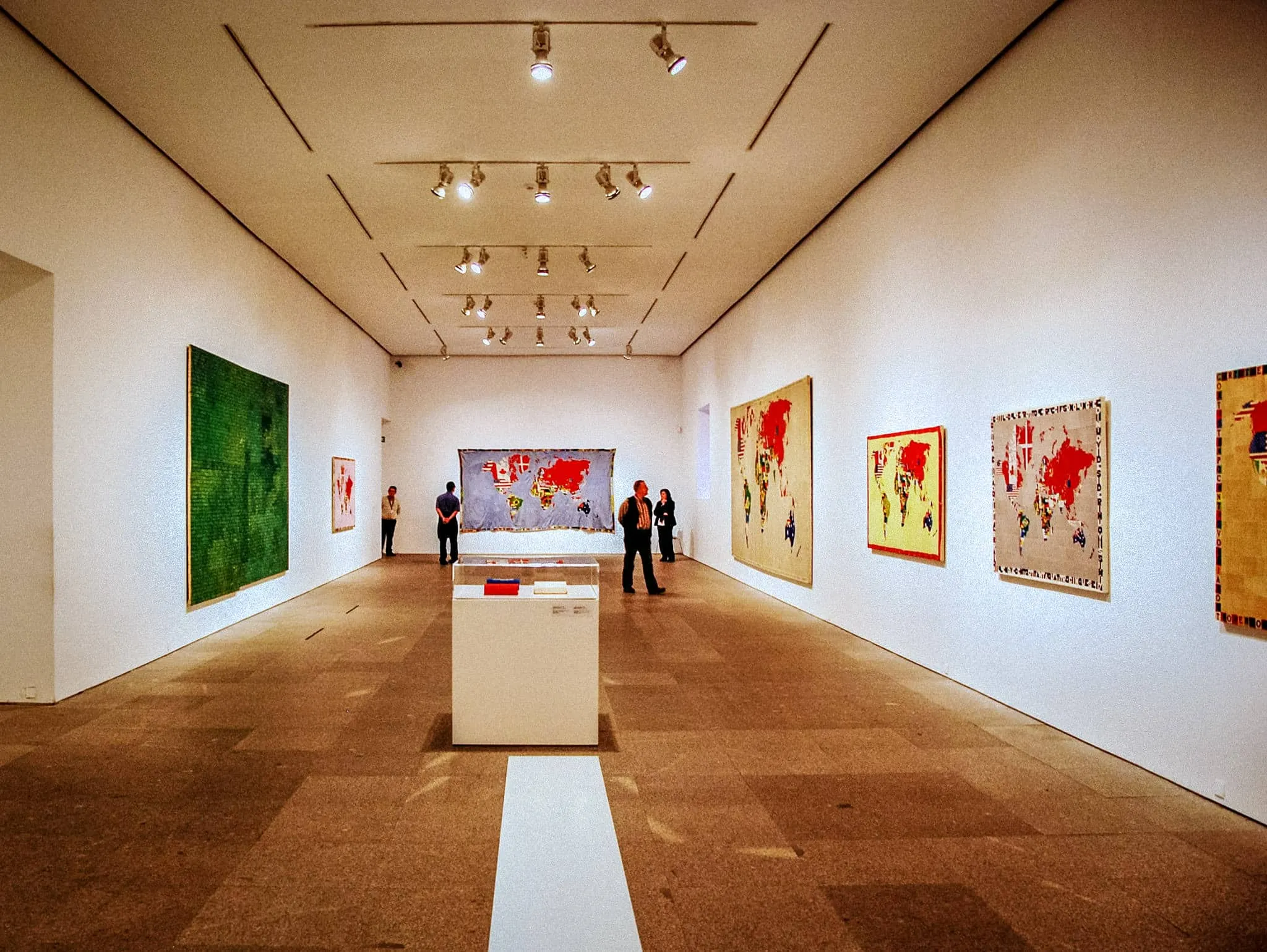
Reina Sofia matters because it resists easy comfort. It offers beauty, yes, but also contradiction, unease, and unresolved questions. In an era of fast images and short attention spans, the museum invites sustained looking and historical thinking. It reminds us that art is not only decoration. It is also witness, critique, and imagination under pressure.
By the end of your visit, what stays with you is often not a single masterpiece but a sequence of encounters: a room that went silent, a work that reframed a historical event, a conversation you overheard, a detail you nearly missed. That is the lasting power of Reina Sofia. It turns viewing into reflection and reflection into civic awareness, which is exactly why it remains one of Madrid's most essential cultural spaces.
Table of Contents
The building before the museum
Long before it became a reference point for modern and contemporary art, the complex that now houses Museo Reina Sofia had a different social function in Madrid. The eighteenth-century structure associated with architect Jose de Hermosilla and later developments became part of the city's healthcare and public-institution landscape, carrying traces of care, crisis, and civic responsibility. Walking through the museum today, you are not entering a neutral white box detached from history. You are stepping into a place that has witnessed changing ideas about public life for generations.
That layered foundation matters because Reina Sofia is not only about objects on walls. It is about how institutions evolve with society, how buildings are repurposed to answer new cultural needs, and how memory can be preserved without freezing a place in time. This transformation from historic infrastructure to major art museum gives the institution a unique emotional texture: even before you reach the first gallery, the architecture is already telling you that history is active, not distant.
Madrid's cultural reinvention
The late twentieth century marked a turning point for Madrid, as the city expanded its cultural identity after political transition and opened itself to broader international dialogue. In that context, Reina Sofia emerged not as a decorative addition, but as a necessary institution: a place to study modernity, confront difficult historical narratives, and present contemporary creation as part of democratic public life. The museum became a signal that Spain's recent artistic history deserved both critical attention and civic visibility.
What makes this shift particularly fascinating is that it was not only about prestige. It was about access. A national museum of modern and contemporary art in central Madrid invited residents, students, researchers, and travelers into the same conversation. That inclusive ambition still shapes the atmosphere today: in one gallery you may find art historians taking notes, in another families discussing a painting in everyday language, and in another visitors quietly absorbing work that feels unexpectedly personal.
Why Guernica changed everything
Any history of Reina Sofia eventually arrives at Guernica, but reducing the museum to a single masterpiece would miss the point. The presence of Picasso's mural transformed the institution's symbolic weight, yes, but it also forced a larger curatorial responsibility: to provide historical, political, and artistic context worthy of such a work. Guernica does not operate as isolated genius. It is a visual argument about violence against civilians, memory after catastrophe, and the ethical role of art in times of rupture.
The museum's handling of this context, including related documentation and surrounding works, is one reason many visitors describe the experience as unforgettable. People arrive expecting to see a famous painting and leave feeling they have entered a debate that is still unresolved. This is one of Reina Sofia's most important contributions: it treats viewers as thinking participants, not passive spectators, and asks them to connect historical trauma to present-day responsibilities.
The rise of a national modern collection
As the museum developed its permanent collection, it built a narrative that goes beyond canonical names and linear timelines. You can trace exchanges between Spain and wider European avant-gardes, but also see where local realities, exile, censorship, and social struggle produced distinct artistic responses. The collection reads almost like a map of tensions: tradition against rupture, experimentation against repression, private emotion against public crisis.
This layered approach makes the visit rewarding for both first-timers and specialists. If you are new, the museum offers clear pathways through major movements. If you know the field, you can focus on curatorial decisions, juxtapositions, and historiographic debates. In either case, Reina Sofia refuses simplistic storytelling. It presents modern art as a field of conflicts and possibilities, where meaning is continuously negotiated.
Spanish avant-garde in context
One of the richest aspects of Reina Sofia is the way it situates Spanish avant-garde practice within international currents without dissolving its specificity. You see echoes of surrealism, constructivism, conceptualism, and postwar abstraction, but also distinctly Iberian experiences marked by civil conflict, dictatorship, migration, and rapid social modernization. The result is not an imported version of modernity, but a complex local articulation of it.
Interesting fact: many visitors come primarily for Picasso, then find themselves unexpectedly drawn to lesser-known works whose formal risk and emotional directness feel just as urgent. This is where the museum's narrative strength appears most clearly. It gives space to celebrated figures while still allowing quieter pieces to speak, and those quieter moments often become the most memorable part of a personal visit.
From modern to contemporary practice
Reina Sofia does not stop at twentieth-century milestones. It extends into contemporary practice with installations, moving image, performance documentation, and interdisciplinary work that reflects today's fragmented media landscape. This expansion matters because it shows continuity: the questions raised by historical avant-gardes did not disappear, they changed form and moved into new materials, new publics, and new forms of participation.
For visitors, this transition from painting-centered rooms to multimedia environments can be energizing. It interrupts passive viewing and invites different kinds of attention, sometimes contemplative, sometimes critical, sometimes playful. In practical terms, it means your visit should include pauses, not just checkpoints. Contemporary works often reward time, and the museum's best surprises usually appear when you allow yourself to slow down and stay present.
Architecture, expansion, and circulation
The institution's architectural evolution reflects its intellectual mission. Historical structures coexist with later interventions, creating circulation patterns that encourage movement between eras and curatorial narratives. You are constantly aware of transitions, from older corridors to newer spaces, from intimate rooms to larger open galleries. That physical rhythm supports the conceptual rhythm of the collection itself.
An interesting detail often noted by repeat visitors is how the building changes your perception of scale and pace. Some zones feel almost monastic, asking for concentration. Others open outward and feel social, even conversational. This spatial variation prevents museum fatigue and helps different types of art find the right environment. In other words, architecture here is not background. It is part of the interpretation.
Public access and inclusive design
As a major public institution, Reina Sofia has progressively emphasized access, education, and inclusion. Accessibility measures, interpretive tools, and program diversity are not peripheral services but central commitments tied to the museum's civic role. The aim is to make challenging art available without flattening complexity, so visitors with different backgrounds can engage meaningfully at their own level.
This is especially important in a museum where many artworks address conflict, inequality, and collective memory. Inclusive design in this context is not only logistical. It is ethical. It recognizes that cultural heritage belongs to a wide public and that interpretation should open doors rather than create unnecessary barriers.
Programs, debate, and civic culture
Reina Sofia's identity is strengthened by lectures, screenings, educational programs, and interdisciplinary events that treat the museum as a civic forum rather than a static archive. These activities connect historical collections to present concerns, from media politics and migration to ecological anxiety and social memory. The museum becomes a place where art does not end at visual appreciation, but extends into public conversation.
For many locals, this is exactly why the institution matters. It supports a culture of discussion in which disagreement is productive and curiosity is welcomed. For travelers, attending even one public program can reveal a different Madrid: intellectually restless, culturally generous, and deeply engaged with the role of art in democratic life.
How to read the collections intelligently
A smart visit starts with an intentional route. Instead of trying to cover everything, choose one historical thread, one major room you will revisit, and one contemporary section outside your comfort zone. This approach creates depth and keeps energy high. Reina Sofia rewards focused curiosity far more than rushed completion.
Interesting fact: museum educators often note that visitors remember fewer works but richer stories when they spend time with labels, context rooms, and visual comparisons. That means planning is not about control. It is about giving yourself permission to look carefully. If a work unsettles you, stay with it. If one room feels dense, return later. The most valuable museum days are rarely linear.
Conservation and institutional responsibility
Behind every public gallery there is extensive conservation, research, and archival labor. Reina Sofia's role as a national institution includes preserving fragile materials, documenting provenance, and updating interpretive frameworks as scholarship evolves. This ongoing work is largely invisible to casual visitors, yet it is essential to keeping the collection trustworthy and accessible across generations.
Institutional responsibility also includes historical transparency and curatorial accountability. In a museum shaped by twentieth-century conflict and ideological fracture, interpretation is never neutral. By revisiting narratives, incorporating new research, and opening space for critical voices, Reina Sofia demonstrates that preserving heritage means preserving complexity, not just objects.
The museum in Madrid's Art Triangle
Reina Sofia forms part of Madrid's Art Triangle with the Prado and Thyssen-Bornemisza, and this geographic proximity creates a remarkable cultural itinerary. In one city corridor, you can move from classical painting to modern rupture to contemporary experimentation. Seen together, these institutions offer not three isolated collections, but a long conversation about representation, power, technique, and changing social values.
Many visitors pair museums in a single day, but a more rewarding strategy is to dedicate one day to each or combine a focused half day at Reina Sofia with time for reflection nearby. The neighborhood around Atocha and Lavapies is ideal for this rhythm, with cafes and public spaces where ideas from the galleries can settle before the next cultural stop.
Why Reina Sofia still matters today
Reina Sofia matters because it resists easy comfort. It offers beauty, yes, but also contradiction, unease, and unresolved questions. In an era of fast images and short attention spans, the museum invites sustained looking and historical thinking. It reminds us that art is not only decoration. It is also witness, critique, and imagination under pressure.
By the end of your visit, what stays with you is often not a single masterpiece but a sequence of encounters: a room that went silent, a work that reframed a historical event, a conversation you overheard, a detail you nearly missed. That is the lasting power of Reina Sofia. It turns viewing into reflection and reflection into civic awareness, which is exactly why it remains one of Madrid's most essential cultural spaces.