Explore Museo Reina Sofia with confidence
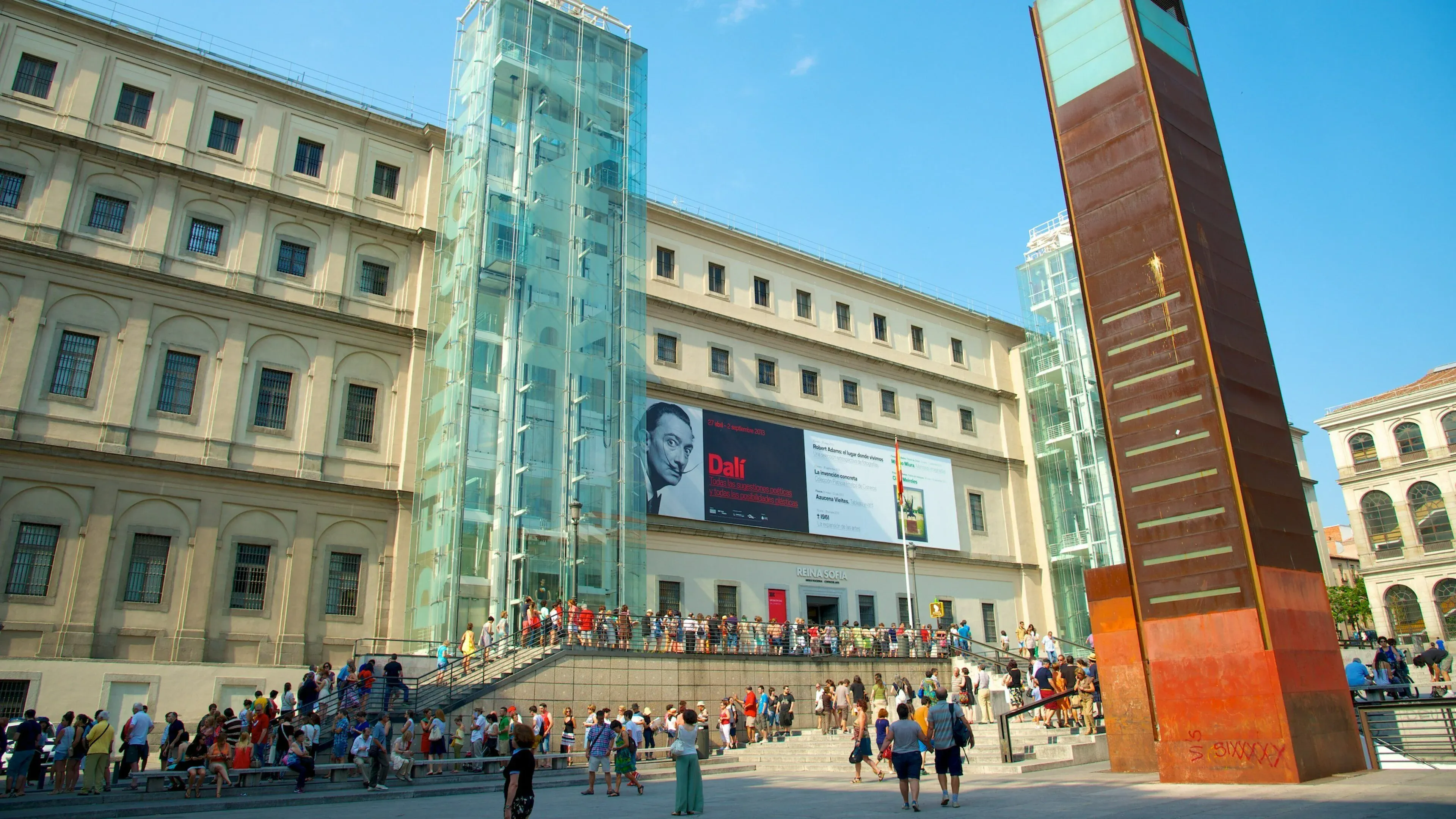
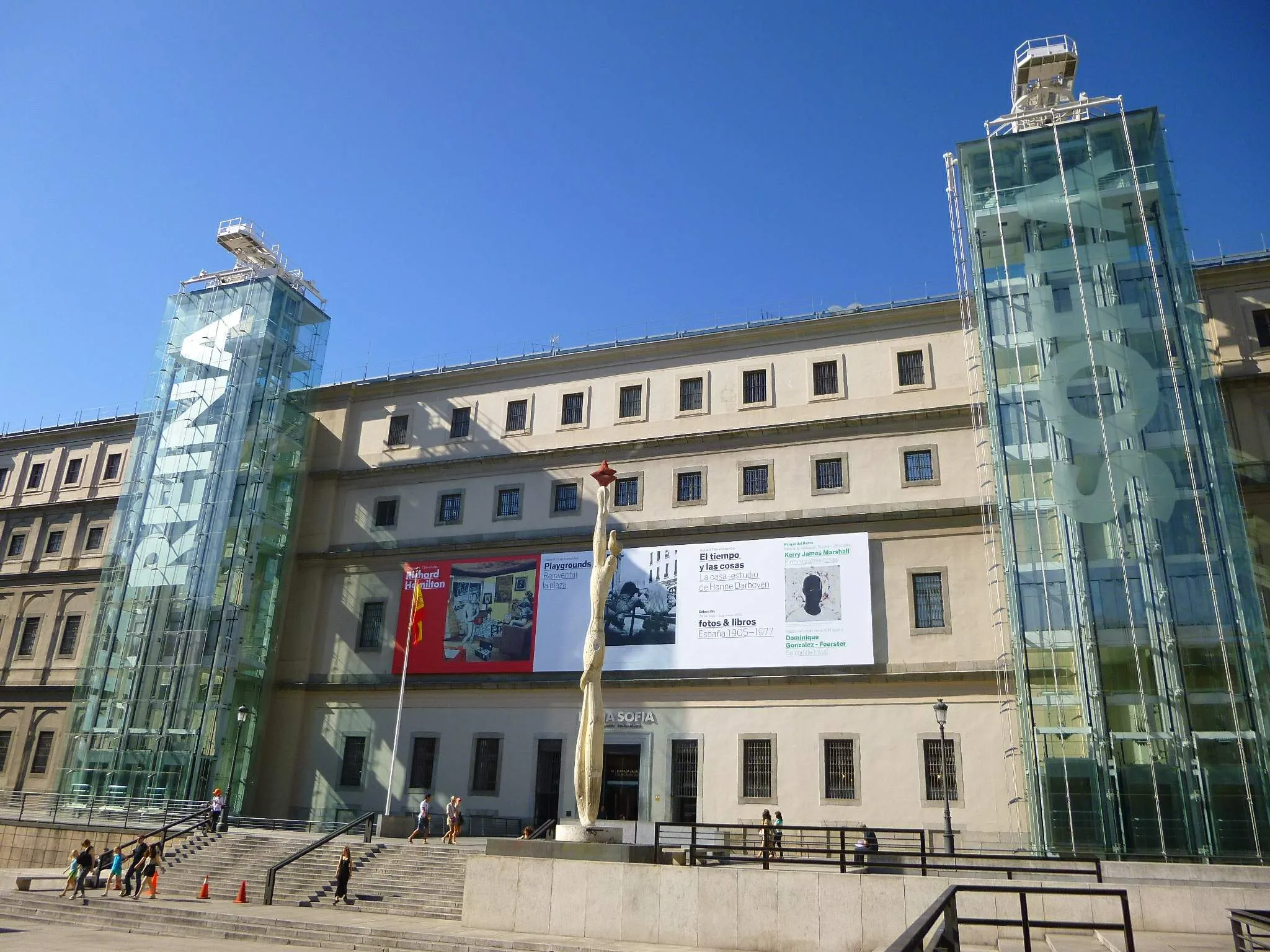
Museo Reina Sofia is one of the most meaningful museum visits you can have in Madrid.
Inside, you move through the artistic tensions of the twentieth century and into contemporary experimentation, seeing how war, identity, memory, and social change shaped visual culture in Spain and beyond.
With a planned ticket and a simple route through the galleries, you can enjoy both famous masterpieces and quieter works that stay with you long after your visit..
Museo Reina Sofia Madrid Visiting timetable
Opening hours vary by day and season, and some time slots are busier than others. It is best to check the latest official timetable before your visit and choose an early or late slot if you prefer a calmer atmosphere.
Museo Reina Sofia Madrid Closing Days
The museum is open most of the year, but it closes on selected public holidays and may apply reduced access during special installations or institutional events.
Where is Located
Museo Nacional Centro de Arte Reina Sofia, Madrid, Spain
How to reach Museo Reina Sofia
The museum sits in central Madrid near Atocha, so getting there is usually straightforward by metro, train, bus, taxi, or on foot from nearby cultural landmarks.
By Train
The easiest route for many visitors is to arrive at Atocha station and walk a few minutes to the museum entrance. Cercanias regional trains and long-distance rail services connect Atocha to much of Spain, making Reina Sofia an easy first cultural stop after arrival.
By Car
Driving in central Madrid can be slow, and parking may be limited or expensive during peak hours. If you come by car, use a nearby paid parking garage and walk to the museum, but public transport is usually simpler and less stressful.
By Bus
Several EMT city bus lines stop in the Atocha and Lavapies area. Check your route in advance, then walk the final stretch through one of Madrid's most walkable cultural districts.
On Foot
If you are already near the Art Triangle, Retiro, or Atocha, walking is a great option. The surrounding streets are lively and full of cafes, bookstores, and local daily life, so the approach to the museum feels like part of the experience.
Why visit Museo Reina Sofia in Madrid
Because this is not just a museum of famous paintings. It is a deeply human journey through modern history, political memory, avant-garde experimentation, and the emotional power of art in everyday life.
Museo Reina Sofia Madrid
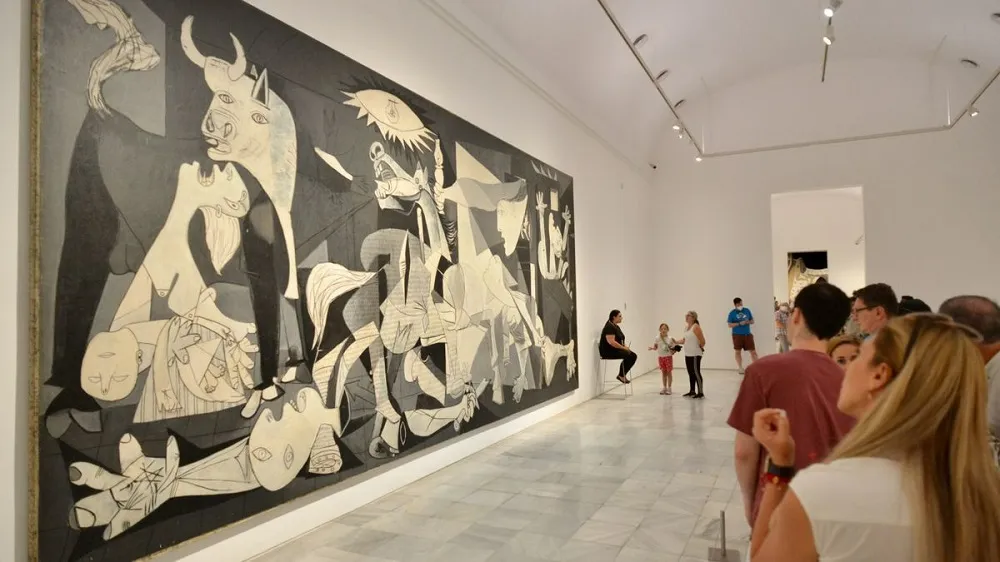
Guernica and the Spanish avant-garde
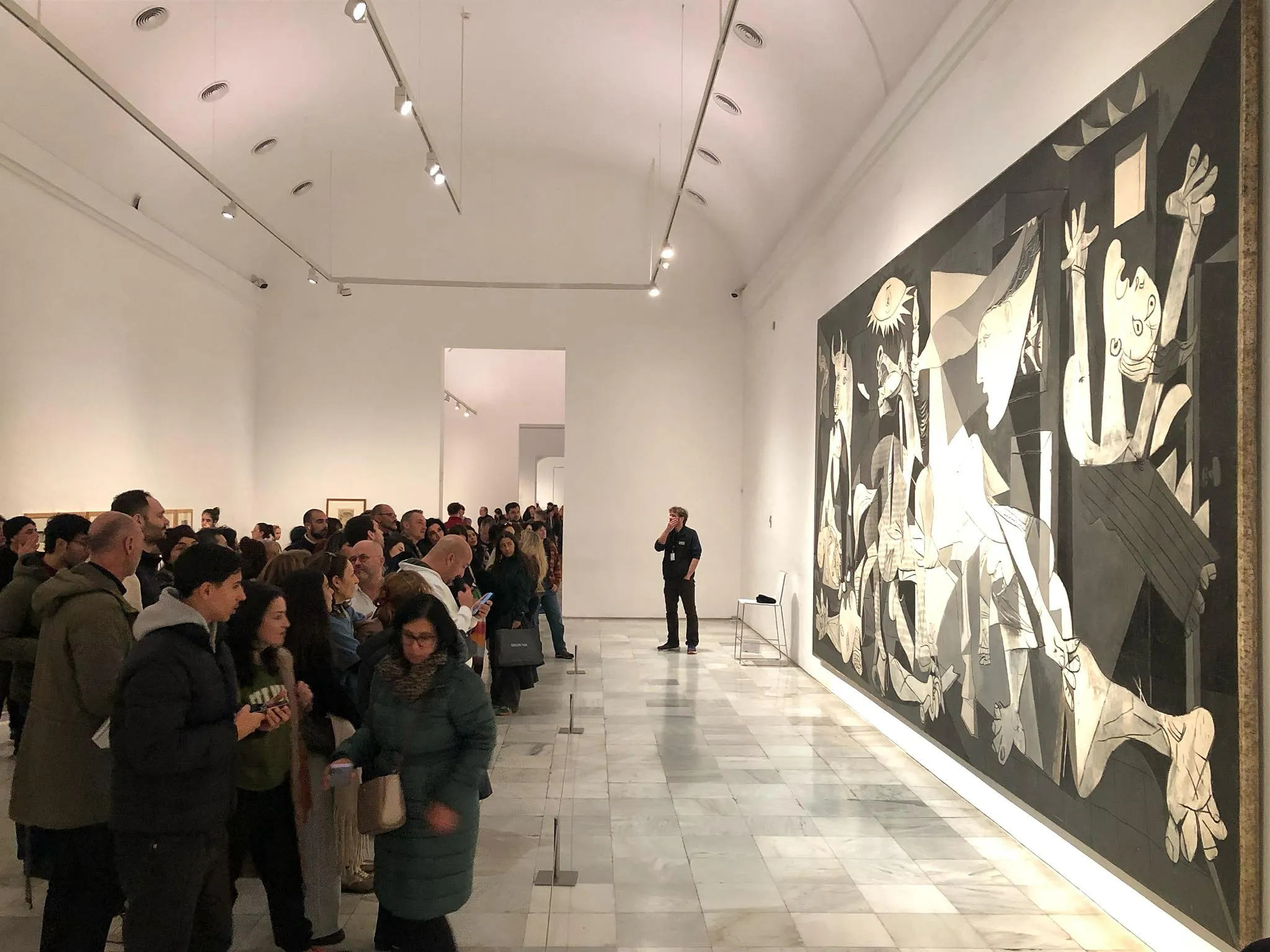
The emotional center of many visits is Guernica, where Picasso transformed the violence of war into one of the most influential anti-war images ever painted, surrounded by contextual works that deepen its impact.
Twentieth-century Spanish masters
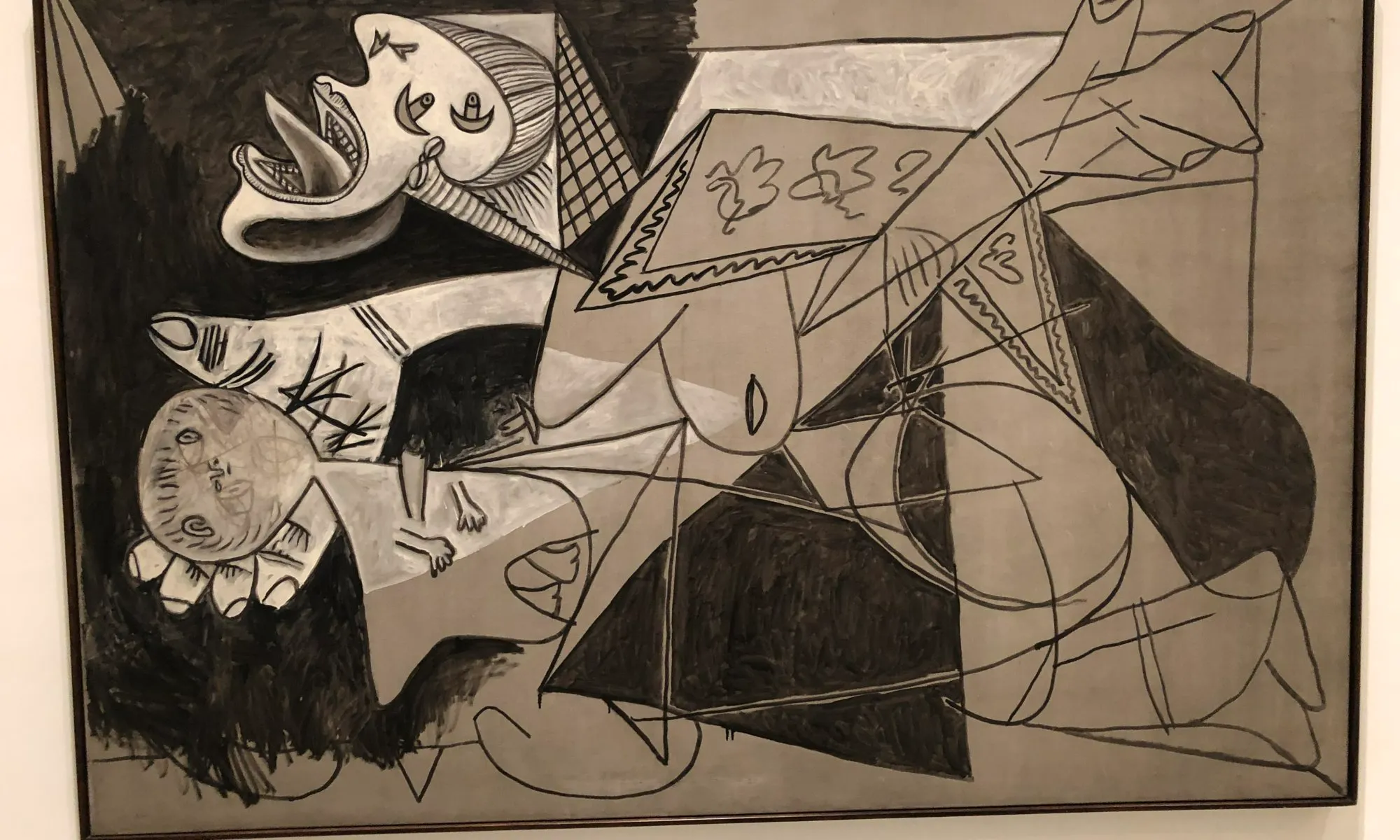
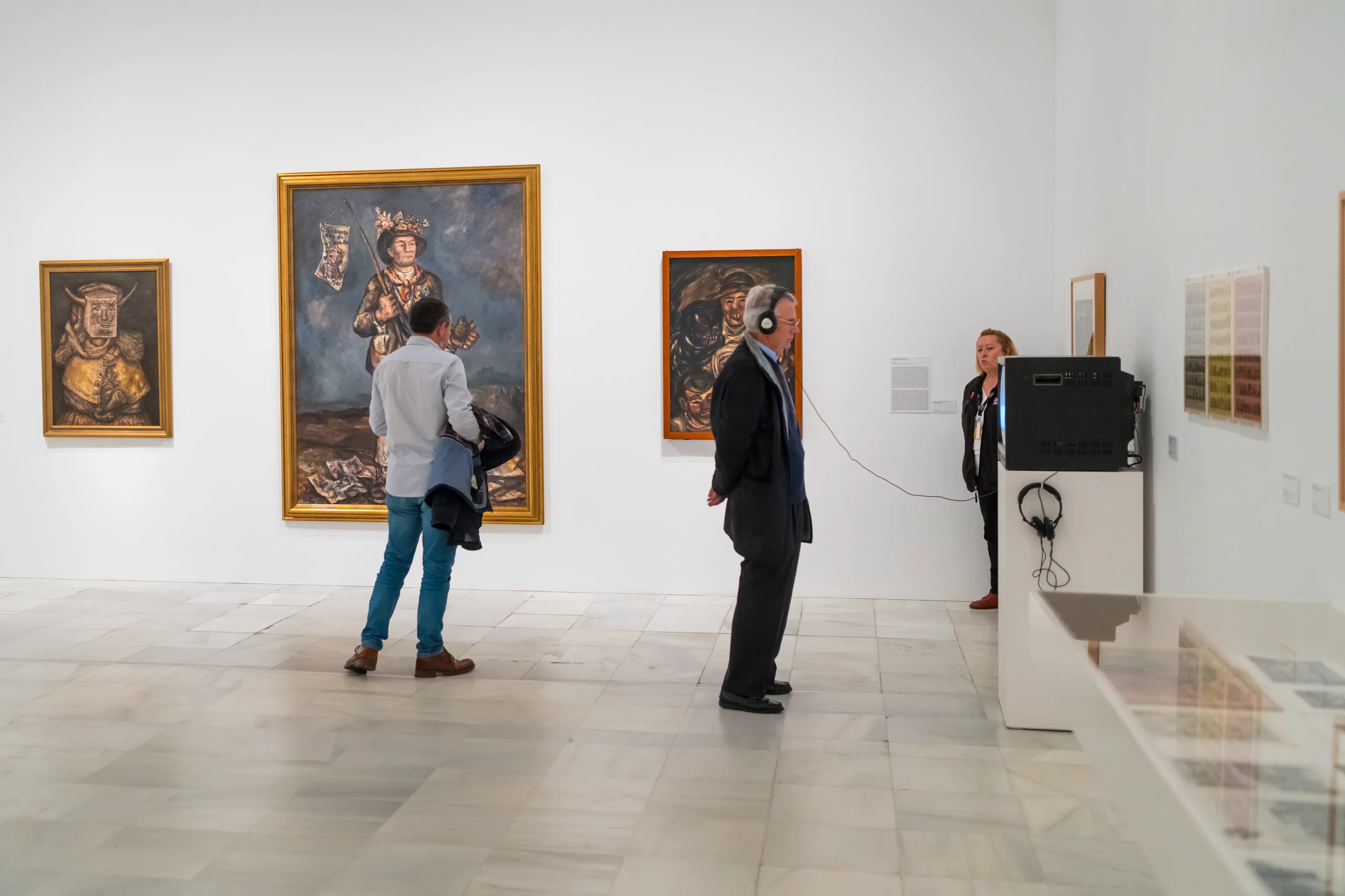
Beyond Picasso, you can follow key moments in Spanish modernism through surrealism, abstraction, and experimental visual language, with works that reflect both artistic innovation and social upheaval.
Contemporary installations and new voices
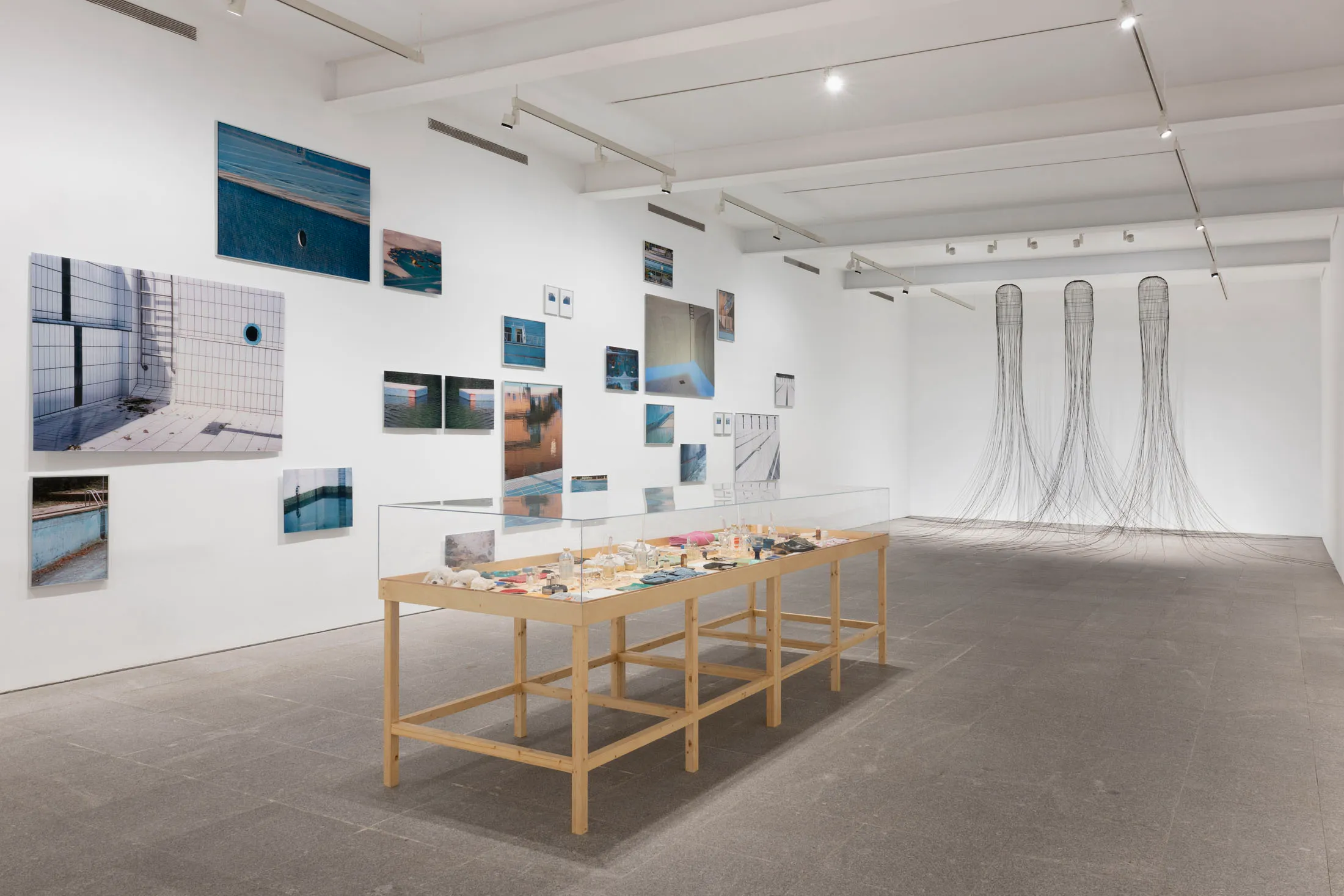
Temporary and contemporary galleries expand the experience with video, sound, performance documentation, and large-scale installations that invite questions, debate, and personal interpretation.
Museo Reina Sofia at a glance
Quick answers to help you plan a smooth and rewarding museum day.
Book your Museo Reina Sofia visit
Choose your date and time to secure smoother entry and a more relaxed pace in the galleries.
Compare general admission, reduced options, and combination ideas with nearby museums if you want a full art-focused day in Madrid.